The people shaping AI, and where each of them stands.
Sourced profiles of the researchers and founders whose work and arguments set the direction of the field: what they built, what they believe, how their views have changed, and who disagrees with them.
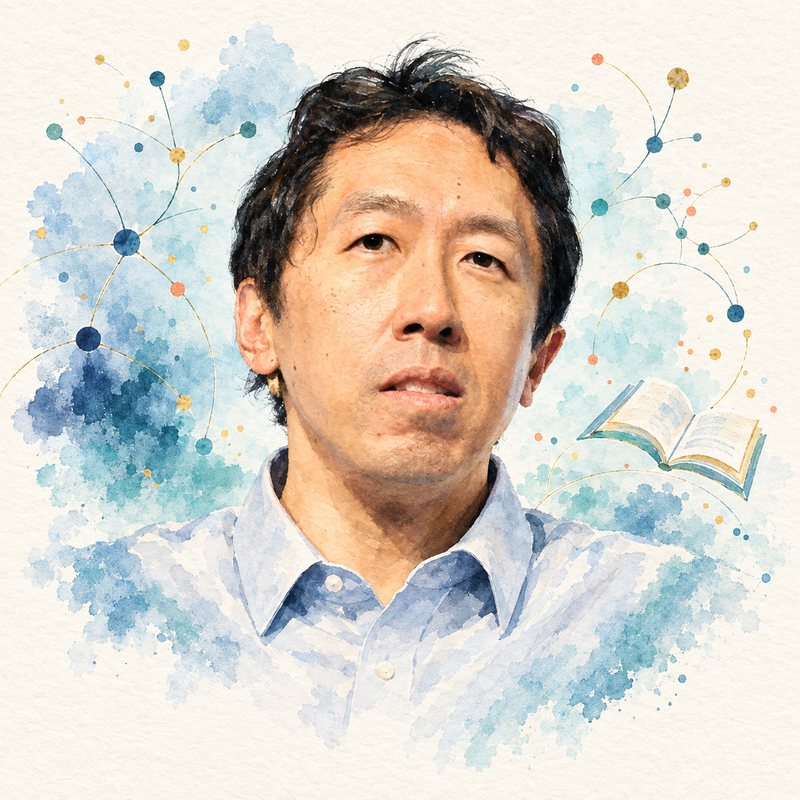
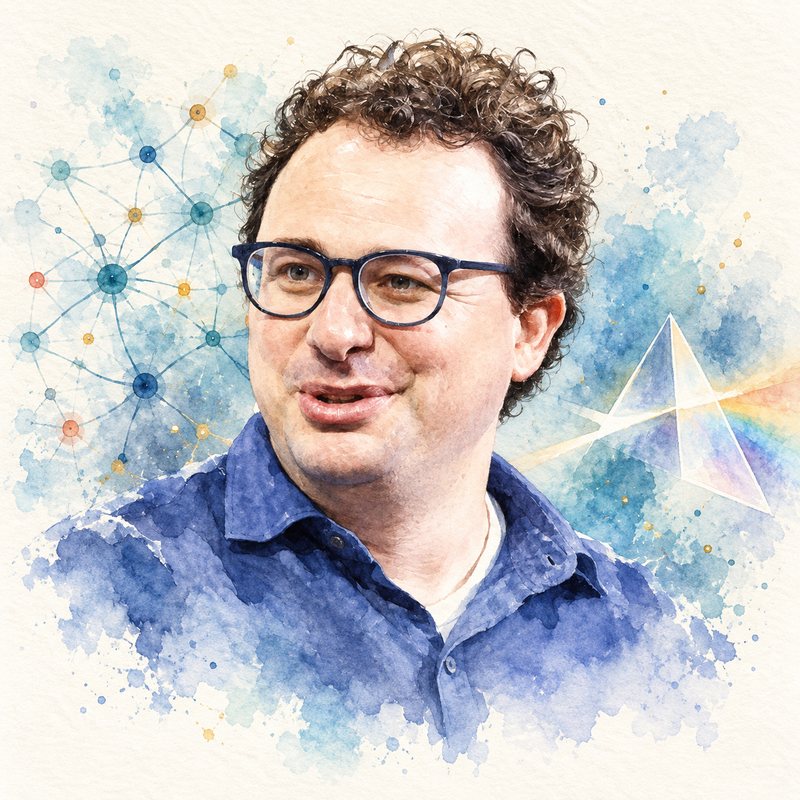
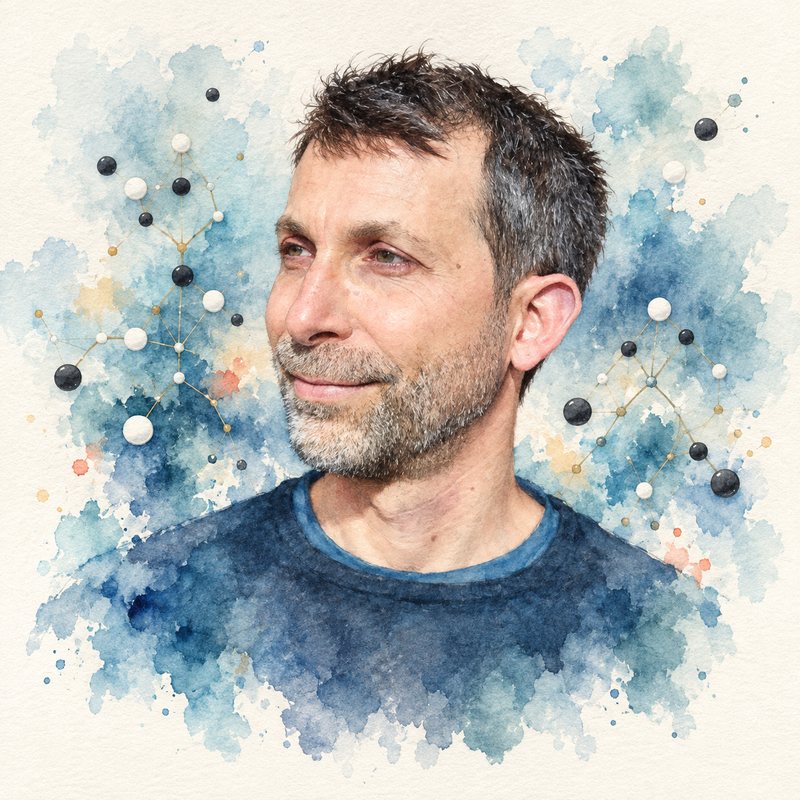
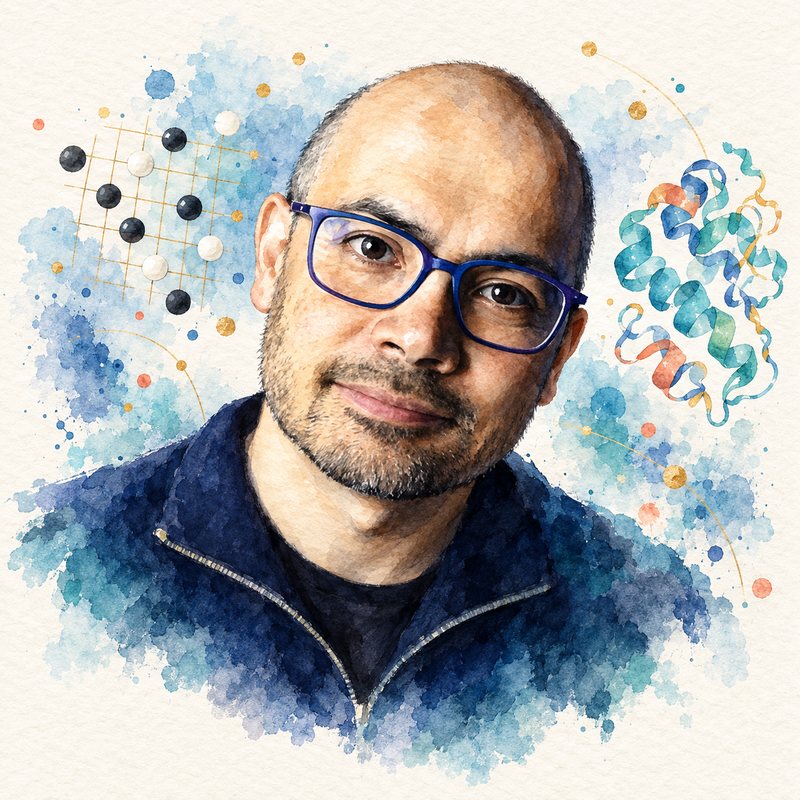
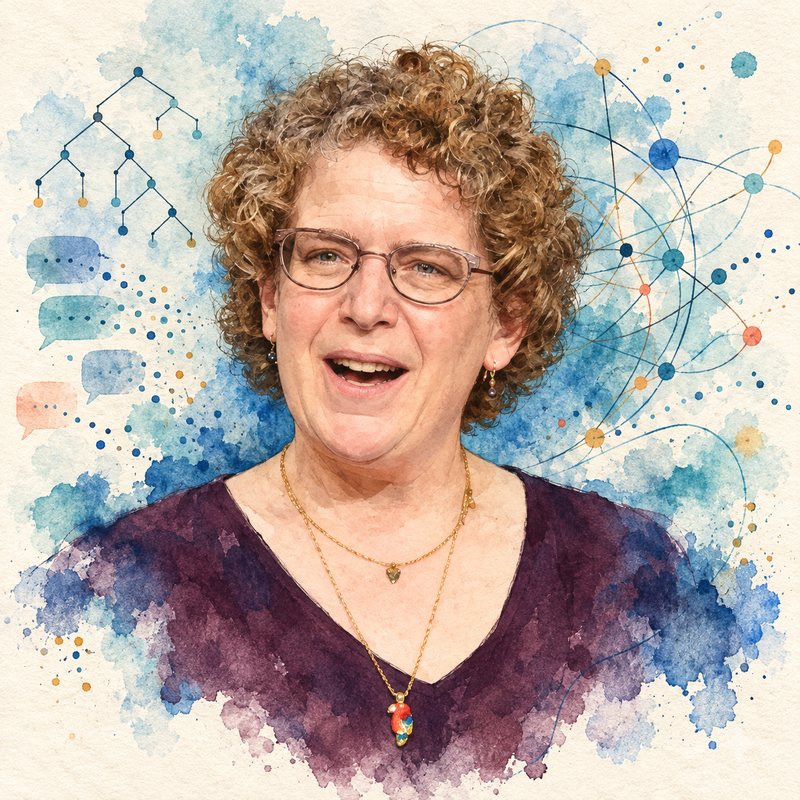
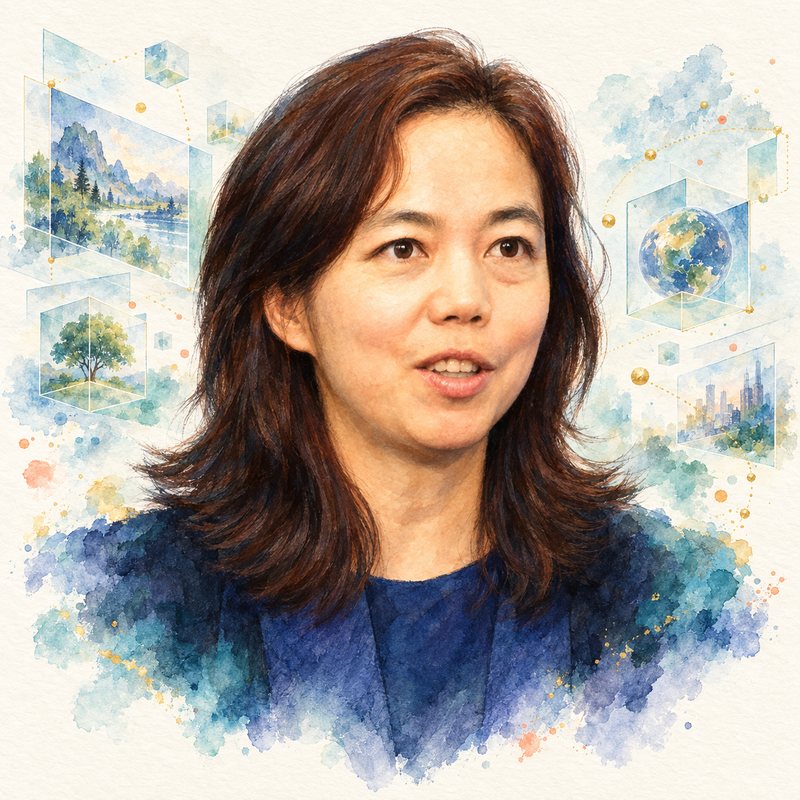
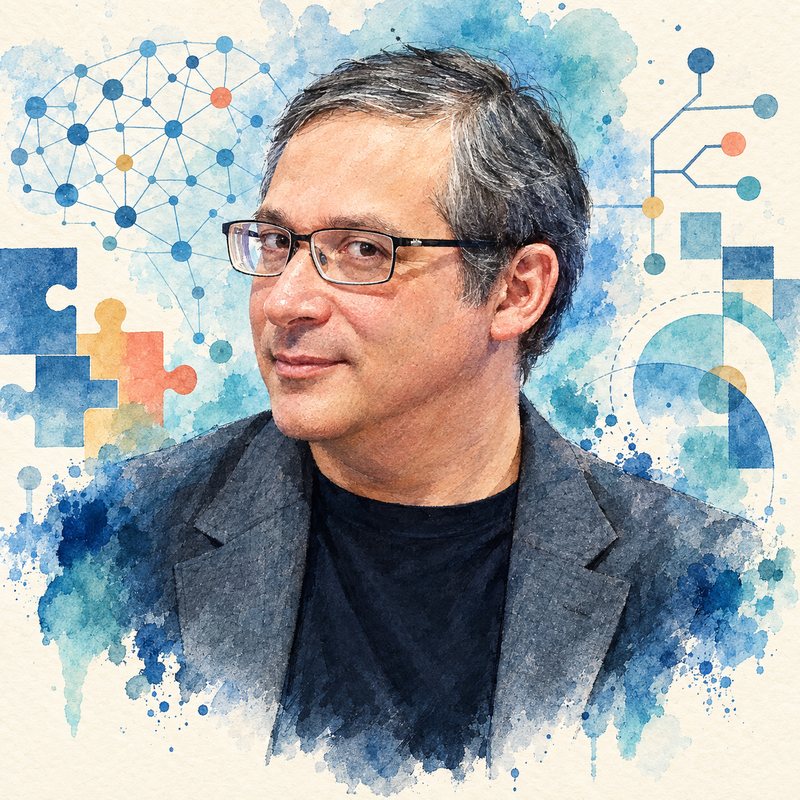
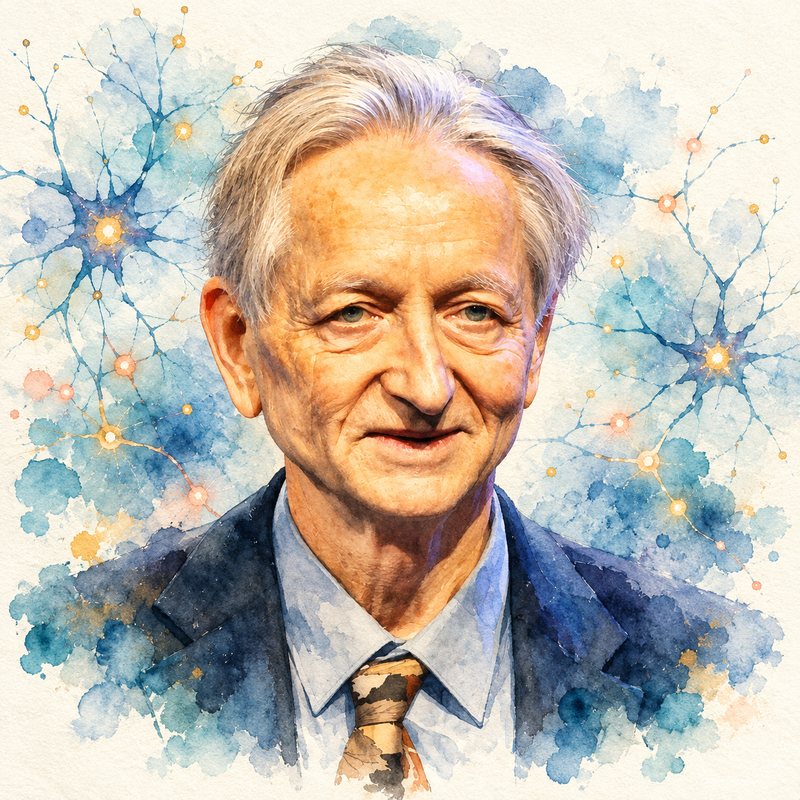

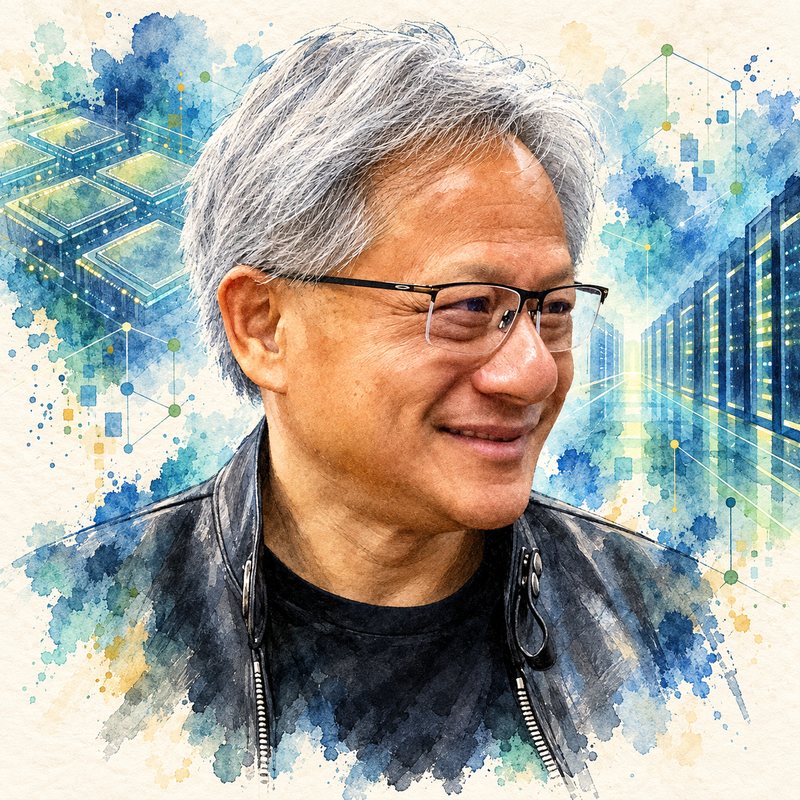
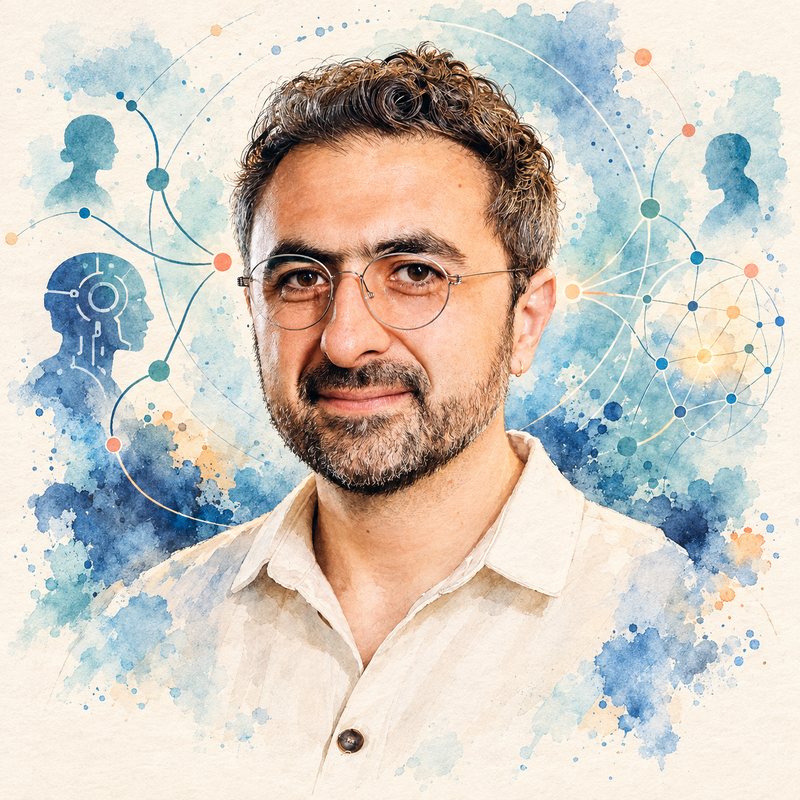
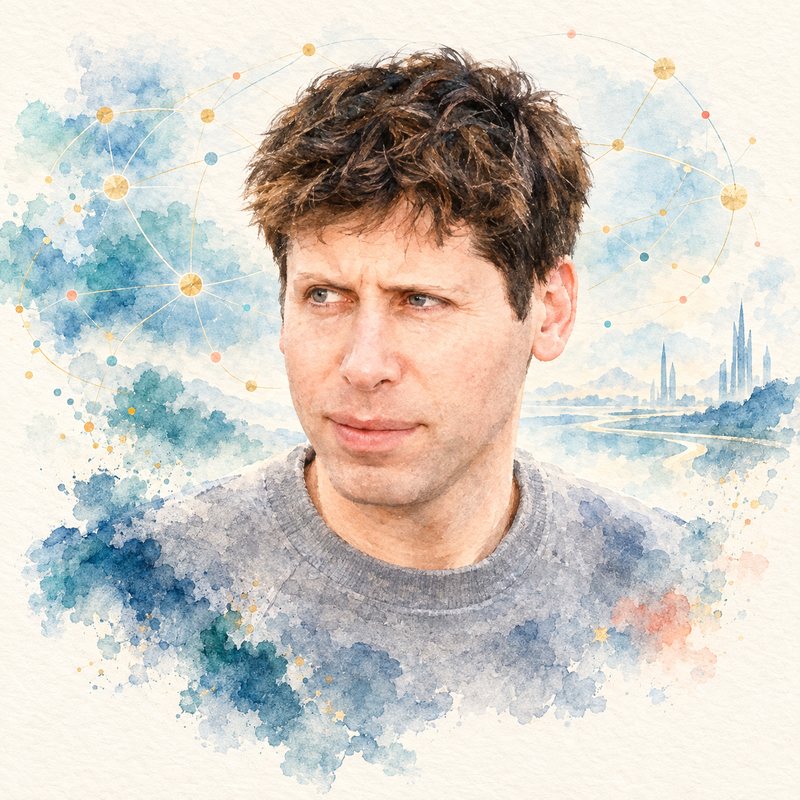
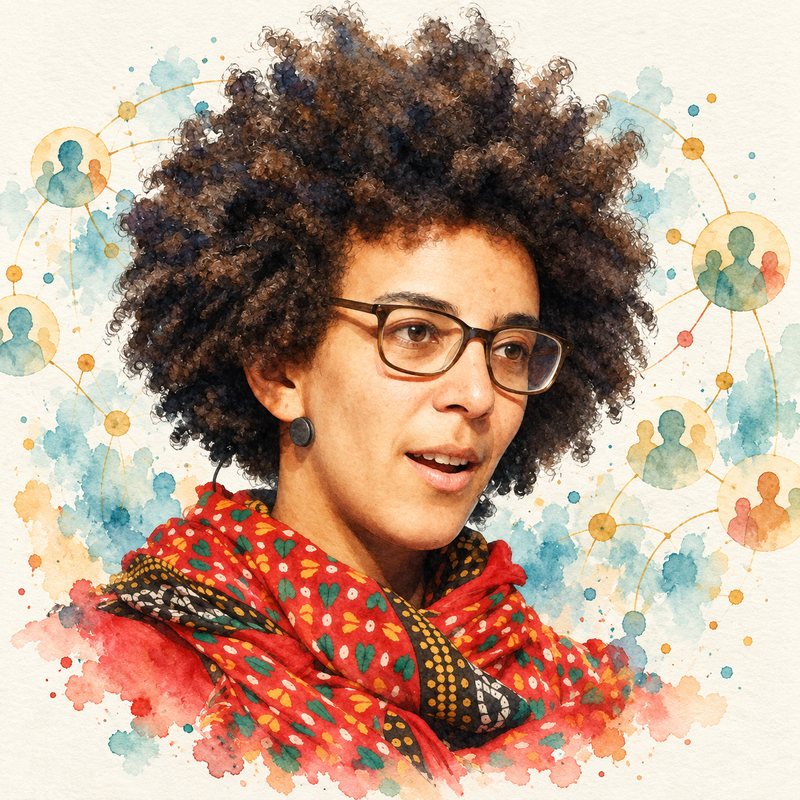
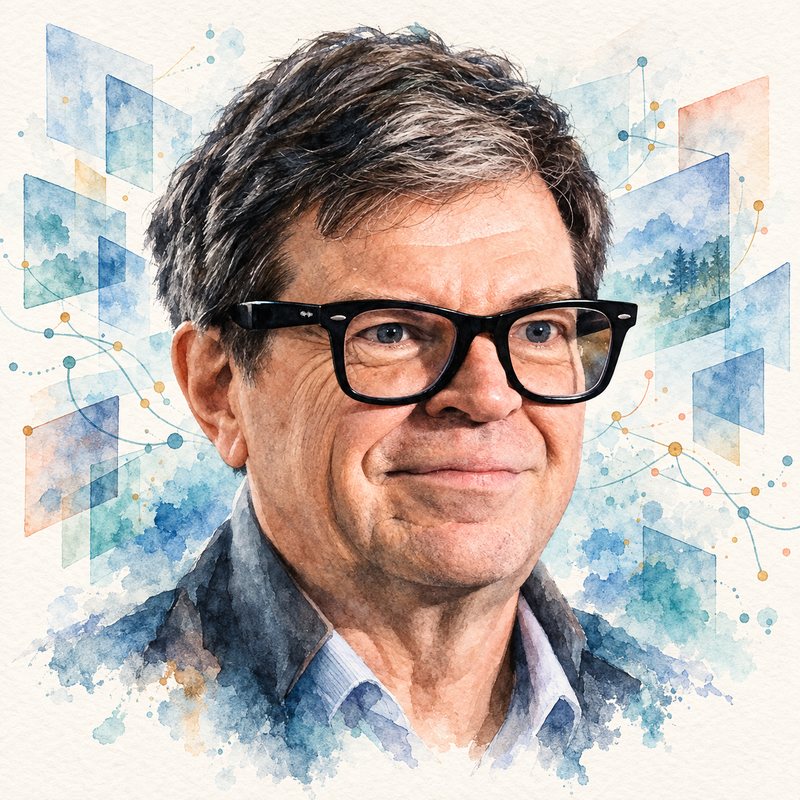
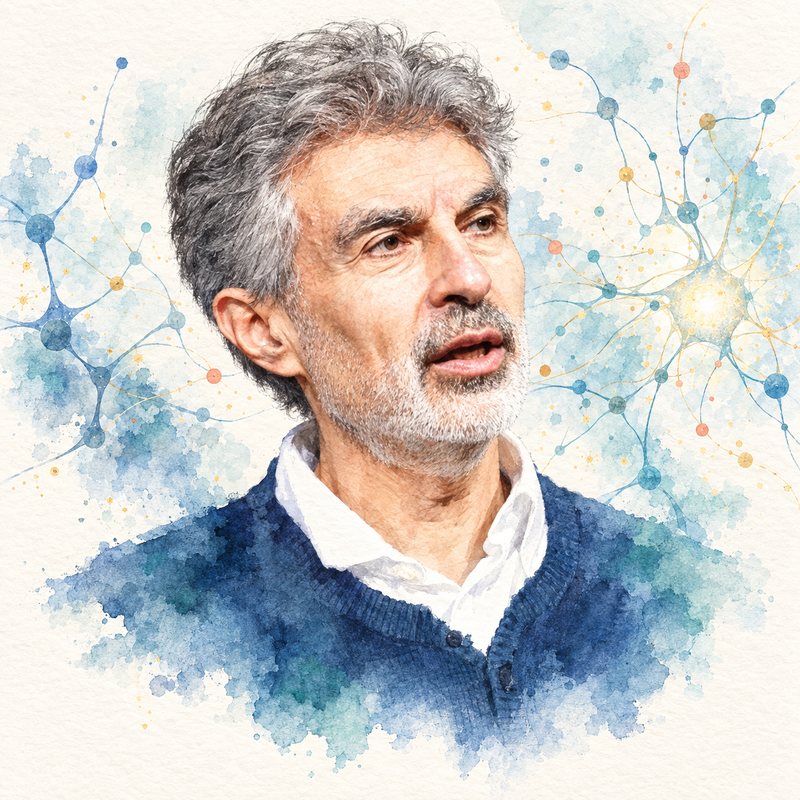
In their words
"I'm very confident that, if the only recipe is scaling up existing transformer networks, I don't think that will get us there. We still need additional technical breakthroughs."
"I think that most people are underestimating just how radical the upside of AI could be, just as I think most people are underestimating how bad the risks could be."
"In key domains such as mathematics, coding, and science, the knowledge extracted from human data is rapidly approaching a limit."
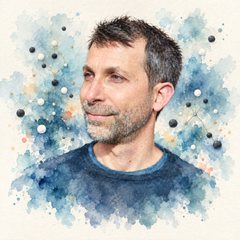
"There are some root node problems that, if you solve them, you unlock entire new branches of research."
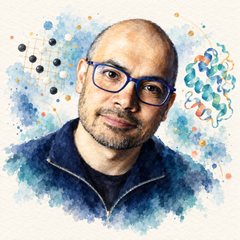
"But we haven't learned how to stop imagining the mind behind it."

"Yet they remain wordsmiths in the dark; eloquent but inexperienced, knowledgeable but ungrounded."
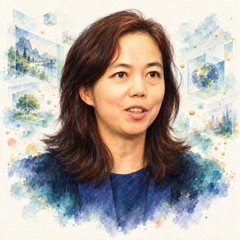
"To paraphrase an old parable, Hinton has built a better ladder; but a better ladder doesn't necessarily get you to the moon."
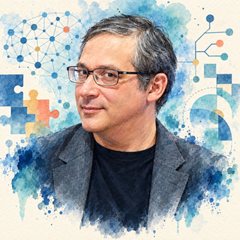
"I like to think of it as: imagine yourself and a three-year-old. We'll be the three-year-olds."
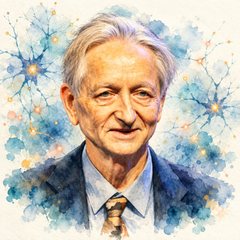
"Everyone just says scaling hypothesis. Everyone neglects to ask, what are we scaling?"

"It is our job to create computing technologies that nobody has to program and that the programming language is human: everybody in the world is now a programmer."
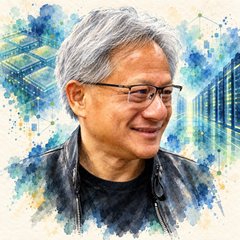
"We must build AI for people; not to be a digital person."
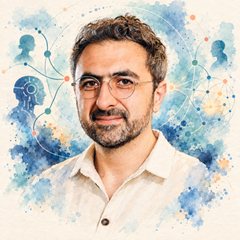
"We are past the event horizon; the takeoff has started. Humanity is close to building digital superintelligence, and at least so far it's much less weird than it seems like it should be."

"When a bridge collapses, you don't analyze whether the bridge was ethical or sentient or why it decided to collapse. You ask, who is the person who built this bridge to be so flimsy?"

"People have had this illusion, or delusion, that it is a matter of time until we can scale them up to having human-level intelligence, and that is simply false."
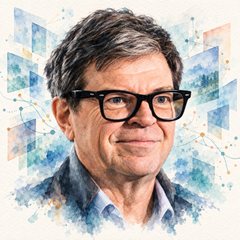
"It is painful to face the idea that we may have been contributing to something that could be greatly destructive."
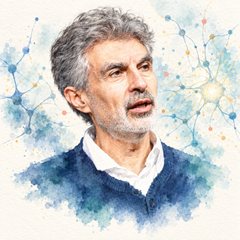
"We could summarize this as a 'country of geniuses in a datacenter'."
"If AI is to be truly useful, it must understand worlds, not just words. Worlds are governed by geometry, physics, and dynamics, and reconciling the semantic, spatial, and physical is the next great frontier of AI."
"AI needs to be brought back down to earth. It has been elevated to a superhuman level that leads us to believe it is both inevitable and beyond our control."
Every fact has a source
Each profile lists the papers, talks, testimony and reporting it draws on. Quotes are verbatim, dated and linked.
Positions, and how they moved
Stances on risk, regulation, open models and timelines, each with a quote and a note on what has changed since.
The other side, argued properly
Every profile carries the strongest case against its subject, names who makes it, and says where the argument stands.
For founders and leadership teams
The research tells you what is changing. EMX helps you decide what to do about it.
I use the same vendor-neutral research behind Frontier Minds to help teams find where AI fits, choose what to ignore, and turn the right opportunity into a working system.